The Bureau of Internal Revenue (BIR) is requiring small, medium, and large taxpayers who do business online to transition to electronic invoicing before the end of 2026. This move is part of a broader push to modernize the Philippines’ tax administration system.
Under Revenue Memorandum Circular 098-2026, electronic invoicing becomes mandatory starting December 31, 2026. The circular also spells out the specific policies and guidelines businesses must follow.
Who Needs to Comply with the New E-Invoicing Rules?
The electronic invoicing requirement applies to: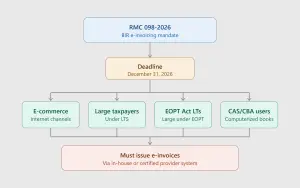
- Businesses operating through e-commerce and online sales channels
- Taxpayers registered under the Large Taxpayers Service
- Companies classified as large taxpayers under the Ease of Paying Taxes Act
- Businesses already using computerized accounting systems or computerized books of accounts
Micro taxpayers are exempt from the mandate. All other covered businesses must issue electronic invoices through an in-house system, a commercially purchased solution, or a licensed electronic invoicing service provider.
How Much Does E-Invoicing Software Cost?
Several accounting software providers already offer e-invoicing tools. For example, Intuit provides invoicing plans starting at around ₱131 per month for a basic package, with an advanced plan priced at roughly ₱551 per month.
E-Invoicing vs. Electronic Sales Reporting: What’s the Difference?
BIR Commissioner Charlito Martin R. Mendoza clarified that electronic invoicing and electronic sales reporting are two separate compliance requirements. For now, businesses should focus solely on meeting the e-invoicing rules — sales reporting guidelines will be issued separately at a later date.
What Makes an Electronic Invoice Valid?
According to the BIR, a valid electronic invoice must:
- Be generated in a structured digital format
- Be delivered electronically via email, QR code, mobile app, or web platform
- Support automated data extraction
Important: Invoices created manually using standard office tools like Microsoft Word, Excel, Google Docs, or Google Sheets will NOT count as valid electronic invoices for tax purposes.
What Happens During System Outages or Technical Issues?
If a business experiences technical malfunctions, power outages, or internet disruptions, it may issue BIR-authorized manual invoices as a temporary measure. Once connectivity is restored, businesses must immediately replace those manual invoices with electronic versions referencing the original manual document numbers.
Anti-Tampering Rules for Electronic Invoices
To protect data integrity, the BIR prohibits deleting, altering, or modifying any electronic invoice once issued. Instead:
- Decreasing a transaction amount requires a properly authorized credit note/memo
- Increasing a transaction amount requires issuing a new electronic invoice that references the original transaction
Step-by-Step: How to Apply for a Permit to Issue Electronic Invoices
- Submit an application for a Permit to Issue Electronic Invoice at your Revenue District Office (RDO) or Large Taxpayer Office
- Wait for BIR evaluation — applications are reviewed within 20 working days
- Complete online testing within six months of permit approval
- Obtain your Electronic Invoicing and Sales Reporting Certification
 Important: Failing to secure certification within the six-month window can result in revocation of your permit.
Why This Matters for Philippine Businesses
Commissioner Mendoza described the shift as a transformative step for the country’s tax system: “Electronic invoicing is a huge step toward revolutionizing invoicing and tax administration in the Philippines. It will change how businesses document transactions, how tax information is generated, and how the BIR uses data to build a more modern and efficient tax system.”
Key Takeaways
- Deadline: December 31, 2026
- Who’s affected: Online/e-commerce businesses, large taxpayers, computerized accounting system users
- Who’s exempt: Micro taxpayers
- Action needed: Apply for a Permit to Issue Electronic Invoice, then test and certify within 6 months
- Governing rule: Revenue Memorandum Circular 098-2026